
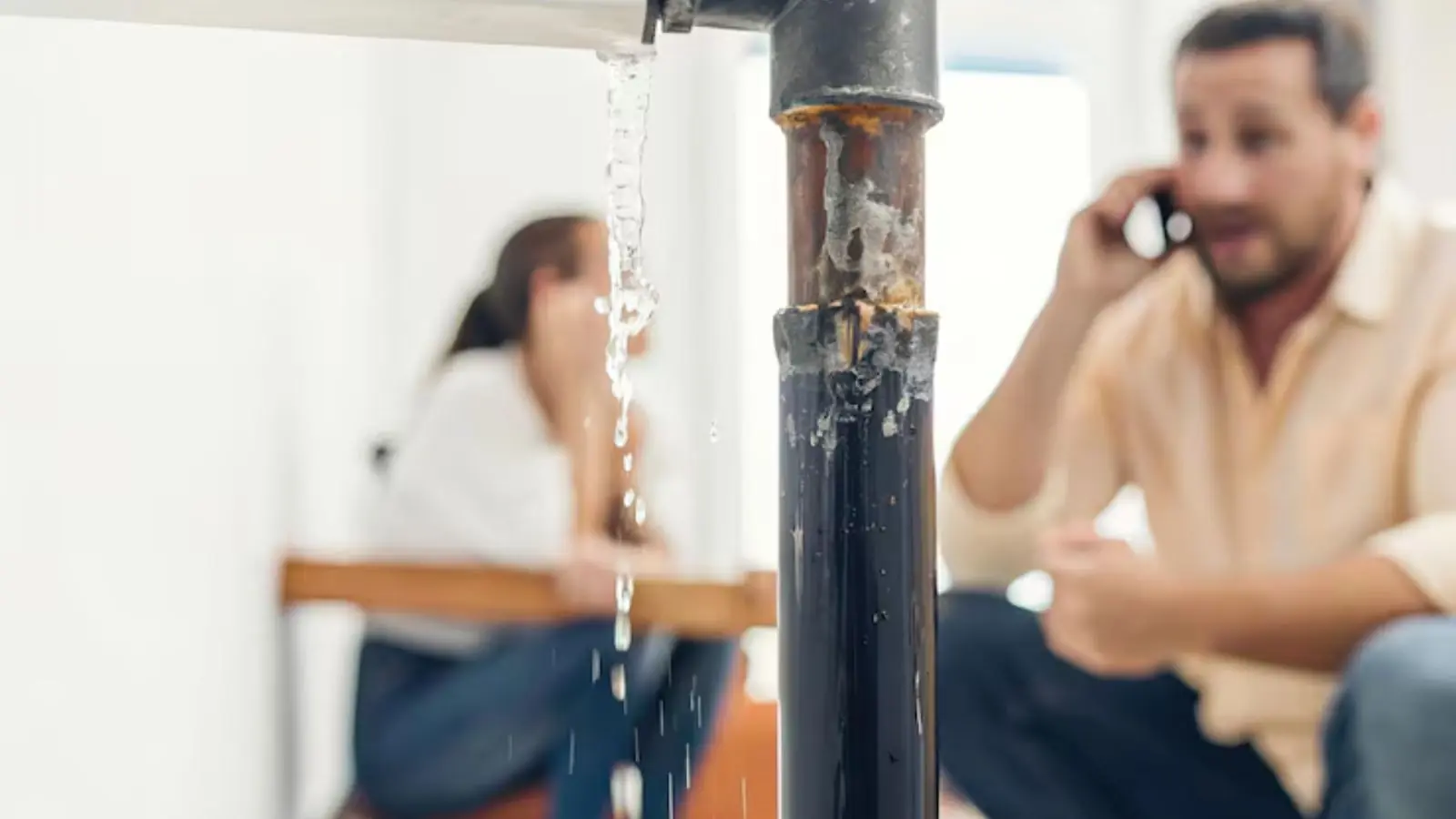
Most homeowners policies cover some water damage and exclude other kinds, and the line between them is about cause, not about how wet the house got. Knowing which side your loss falls on before you call your insurer helps you describe it accurately.
We are not your insurer or an attorney, and your policy governs. This guide explains the common patterns so you know what to ask.
Sudden and accidental versus gradual
Policies commonly cover sudden and accidental discharge, such as a supply line that bursts, a water heater that fails or a washing machine hose that lets go. The damage is covered because the event was unexpected.
Gradual leaks, such as a slow drip under a sink that went unnoticed for months, are often excluded as maintenance issues. If a leak was ongoing, an insurer may argue the damage was preventable, so how you describe the timeline matters.
| Event | Often covered? | What to check |
|---|---|---|
| Burst pipe or failed supply line | Often yes | Sudden discharge wording and your deductible |
| Water heater failure | Often yes for resulting damage | The tank itself is usually not covered |
| Appliance overflow | Often yes | Whether the appliance was maintained |
| Slow leak over months | Often no | Maintenance and long-term seepage exclusions |
| Roof leak from storm damage | Often yes if the roof was damaged by a covered event | Wear and age exclusions |
| Rising flood water from outside | Usually no | Separate flood policy |
| Sewer or drain backup | Often no without an endorsement | A water backup endorsement |
The first steps in a claim
- Protect the house. Stop the source and begin drying. Policies expect reasonable steps to prevent more damage.
- Document before cleanup. Take photos and video of the source, the water and every damaged item.
- Call your insurer. Ask about the claim process, your deductible and what they need.
- Keep records. Save receipts, moisture readings, scope notes and a list of items thrown away.
- Ask for the scope in writing. Compare it against the adjuster's estimate.
Starting a claim after a leak? Call and we will tell you what records to keep.
☎ Call (760) 769-1159What documentation helps
Moisture readings show how far the water traveled, and daily drying logs show that the structure was handled properly. A written scope shows what was removed and why. Those documents make it easier to see whether an estimate matches the real work.
We provide photos, moisture readings and a written scope. We do not bill insurers directly or promise how a claim will turn out, because coverage decisions belong to your insurer.
Flood is a separate question
Standard homeowners policies generally exclude flood, meaning surface water rising from outside, and a separate flood policy is needed. The National Flood Insurance Program is run through FEMA, and private flood policies also exist. Flood coverage often has a waiting period before it takes effect, so buying after a storm is announced is usually too late.
Ask your insurer whether your policy has a sewer or drain backup endorsement. That coverage is separate from flood and is often missing.
Common claim mistakes
- Waiting to start drying until the adjuster arrives, which lets the loss grow.
- Throwing away damaged items before photographing them.
- Describing a long-running leak as sudden, which can create problems later.
- Assuming flood and sewer backup are covered without checking for endorsements.
- Signing a work authorization before you understand the scope.
- Not asking your insurer for the claim number and adjuster contact in writing.
Being accurate matters more than being persuasive. Describe what you saw, when you first saw it and what you did next. Your insurer decides coverage, and a clear timeline makes the conversation shorter.
Insurance questions for Poway homes
Start with the FEMA flood map for your address, since flood exposure differs by lot and the map is the best place to begin when you ask your insurer about flood coverage. Poway's rain is concentrated between November and March, so storm-related claims bunch up in those months and adjusters get busy.
Houses from the first Poway tracts, built from about 1959, may have roofs and plumbing that have been replaced once or twice. Insurers often ask how old both are, so find the year your roof and water heater were last replaced before you call, and keep the receipts if you have them.
Claims in nearby towns follow the same rules. In Escondido, older central homes raise questions about plumbing age, and in Ramona, freeze events and well systems add their own wording. When the loss is active, water mitigation covers the drying that your policy usually expects you to start quickly.
Questions homeowners ask
It depends. A roof leak caused by storm damage is often covered, while a leak from a worn roof may be excluded as wear. Read the wear and maintenance wording, photograph the damage and ask your insurer.
Policies generally expect reasonable steps to prevent further damage. Photograph first, keep samples if asked and start drying so the loss does not grow.
That depends on your insurer and the claim. Ask them how a claim could affect your policy before you decide.
Ask for the reason in writing and read the policy language cited. Our moisture readings and scope can support your file, and your insurer's appeal process applies.
Often only when it follows a covered water event, and many policies limit it. Ask your insurer.
Opening a claim? Call the 24/7 line and ask what records to keep from the first hour.
☎ Call (760) 769-1159