
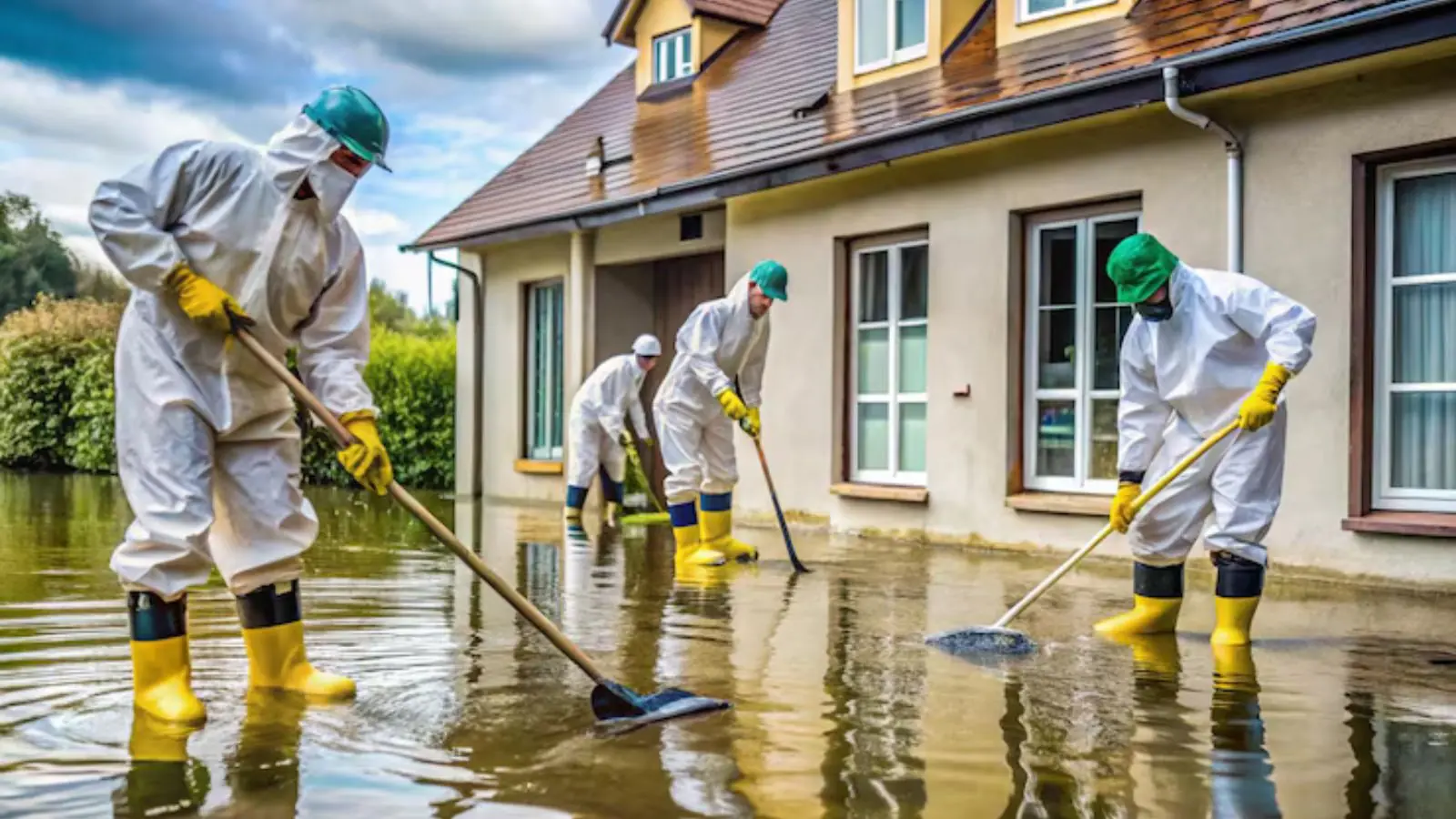
If your home is flooding, stay out of the water if power is on, shut off electricity at the panel only if you can reach it dry, and call our 24/7 line at (760) 769-1159. Move people and pets to higher, dry rooms, lift valuables, and do not use household fans on contaminated water.
Flood damage restoration is the full recovery from a large or contaminated water loss: extraction, removal, cleaning, drying and rebuild. It differs from a small leak because the water is often dirty.
Flood damage restoration is the recovery of a home after storm water, groundwater or sewage enters it, handling contaminated water safely, drying the structure and restoring finishes to ANSI/IICRC S500 practice.
When flooding is an emergency
Treat any flood as an emergency when the water came from outside, from a sewer or drain, or from more than one source. Those events are Category 2 or 3 water, which means it can carry bacteria and should be treated as unsafe.
Time matters here for two reasons. Contaminated water spreads contamination to every porous material it touches, and warm, wet rooms start to grow mold in a day or two. Fast response keeps the removal area smaller.
| Scenario | Water category | How the job is staged |
|---|---|---|
| Storm water through doors or a garage | Category 2 or 3 | Extraction, removal of porous materials, sanitizing, structural drying |
| Sewer or drain backup | Category 3 | Containment, extraction in protective gear, removal, disinfection, drying |
| Flooded lower level or crawl space | Category 2 or 3 | Pumping, removal, disinfection, long drying cycle |
| Whole-house flooding from a failed line | Category 1, maybe 2 | Extraction, multi-room drying, rebuild scoping |
Water coming in or sewage backing up? Call now and describe the first thing you see.
☎ Call (760) 769-1159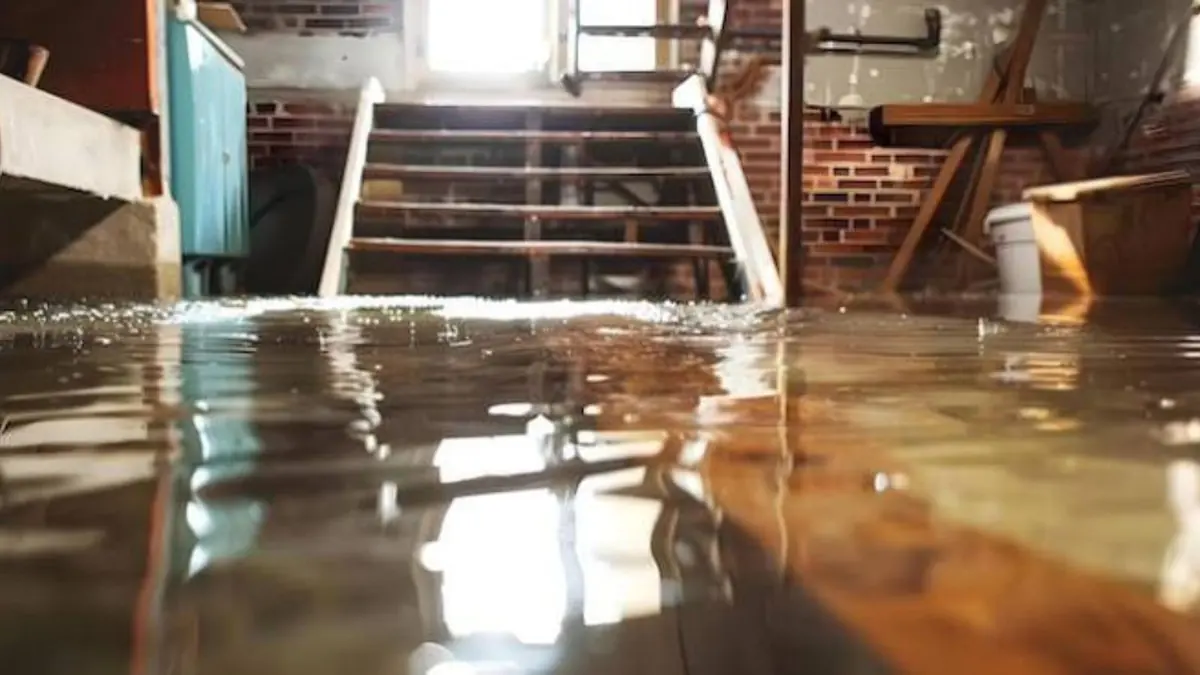
Basement and lower-level flooding cleanup
If your Poway home has a basement, a below-grade room or a lower level cut into a hillside, flooding there usually means groundwater, storm drainage or a failed sump or pump. The water is rarely clean, and finished lower levels hide wet drywall, carpet and insulation behind clean-looking surfaces.
The sequence is pumping, removing wet porous materials, cleaning and disinfecting the concrete and framing, then drying with dehumidifiers. We also tell you honestly that restoration is not waterproofing. If water keeps entering, you need a drainage or foundation specialist, and we can say so after we see where it comes in.
Sewage backup: what to do first
Sewage backup is a Category 3 loss. Stop using sinks, tubs and toilets, keep children and pets out, and do not try to clean it up with household towels. Contaminated water should be handled with protective gear and the right disinfectants.
Crews contain the area, extract the water, remove porous materials that touched it such as carpet, pad and lower drywall, then clean and disinfect before drying. A plumber or the city sewer utility clears the blockage. If the backup came from the main line, call them early, since neighbors may be affected.
Crawl spaces and whole-house floods
Some homes have crawl spaces under raised floors. Water there is easy to miss, and wet insulation and joists dry slowly. A crawl space check with a moisture meter is part of any flood scope where the floor above feels soft or cold. Whole-house floods from a failed line are staged room by room so drying equipment is not wasted.
Flooding and storms in Poway
Poway's climate is dry overall, but rain arrives in concentrated storms between November and March, and the terrain is hilly. Poway Creek crosses the city. Lake Poway, formed by a dam completed in 1972, shows what a hard storm can do: heavy rain in 2017 filled it nearly to the top without a spill, and a 2019 storm backed up a storm water pipe at the lake's treatment facility.
Do not assume your street is safe or at risk. Check the FEMA flood map for your address and ask the city building department about drainage near your lot. Also ask your insurer about flood coverage, since standard policies usually exclude it.
What changes the cost of flood restoration
| Factor | Effect on scope |
|---|---|
| Water category | Category 3 water adds containment, removal and disinfection. |
| Affected square footage | Every extra room adds extraction, equipment and disposal. |
| Materials involved | Carpet, pad and insulation are removed. Hardwood and plaster need specialist drying. |
| Drying days | Lower levels and crawl spaces often need longer cycles. |
| Rebuild scope | Replacing drywall, flooring and cabinets is a separate scope, covered under water damage repair. |
Scope and price are explained before work starts. For your real number, call (760) 769-1159.
Insurance and flood
Standard homeowners policies often cover sudden internal events such as a burst pipe but usually exclude flood from outside, and sewer backup often needs an added endorsement. Ask your insurer what applies. Photograph the damage, keep receipts and keep the scope notes. If you need an area-specific view, our Escondido coverage and Ramona coverage pages explain how local conditions differ.
Frequently asked questions
Yes. Storms and sewer backups often hit after dark, and the line is staffed around the clock, weekends and holidays included. Same-day response is offered when available and no arrival time is promised. The dispatcher starts with safety: staying out of the water, the power and moving people to dry rooms.
No. Restoration cleans, dries and rebuilds after water has entered. Waterproofing stops water from entering. If water keeps coming in, a drainage or foundation specialist is the right trade.
Assume it is. Water from outside, drains, sewers or a toilet is treated as Category 2 or 3. Only clean supply-line water caught early is treated as Category 1.
It is not recommended. Sewage carries bacteria, and porous materials that touched it are usually removed. Crews use protective gear and disinfectants suited to the job.
Standard homeowners policies usually exclude flood from rising water and often need an endorsement for sewer backup. Check your policy and ask your insurer, and ask about flood insurance separately.
Floodwater is not a do-it-yourself job. Call and tell us where it came from.
☎ Call (760) 769-1159