
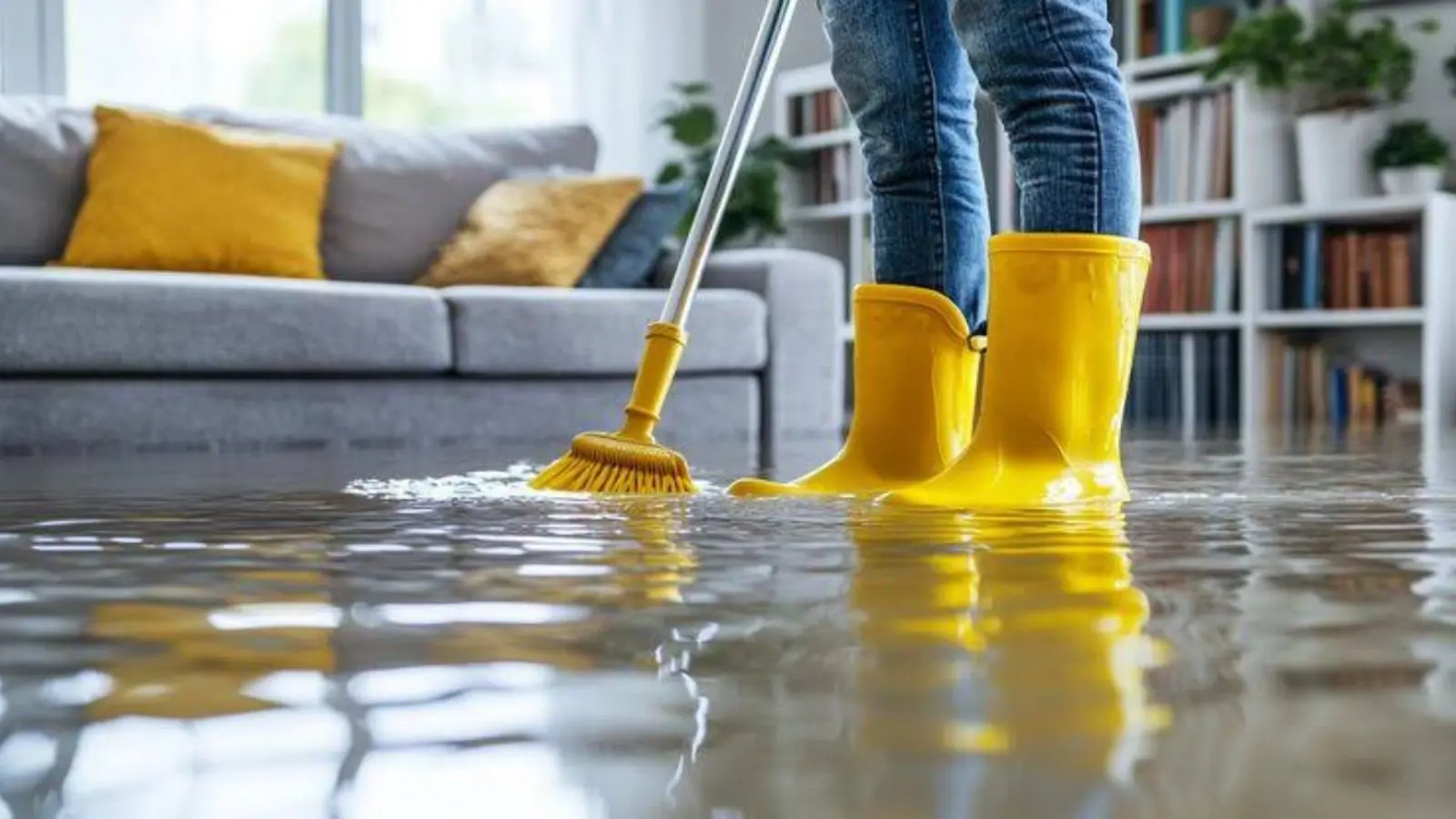
The first 48 hours after a leak or overflow are when cleanup matters most, and our 24/7 line at (760) 769-1159 is open day and night. Until a crew reaches you, keep family and pets out of affected rooms, do not run a household vacuum on wet carpet, and move furniture and boxes onto dry surfaces, ideally with something under the legs so wood does not stain.
Cleanup is what happens to the room, the contents and the air after the water source is fixed. It covers removing wet materials, cleaning surfaces and sanitizing where the water was dirty.
Water damage cleanup is the removal of water-soaked materials and debris, followed by cleaning, sanitizing and deodorizing the affected areas so the home is safe to dry and rebuild.
When cleanup cannot wait
Cleanup becomes urgent when the water was not clean to begin with. A washing machine discharge, a toilet overflow, a dishwasher backup or groundwater carries bacteria that sink into carpet pad, drywall and the lower foot of wall cavities.
It is also urgent when wet materials sit for more than a day or two. Warm rooms, closed closets and soaked carpet over a slab are the conditions where odors start and mold gets a foothold. Fast cleanup keeps a small loss from becoming a mold job.
What gets removed and what gets saved
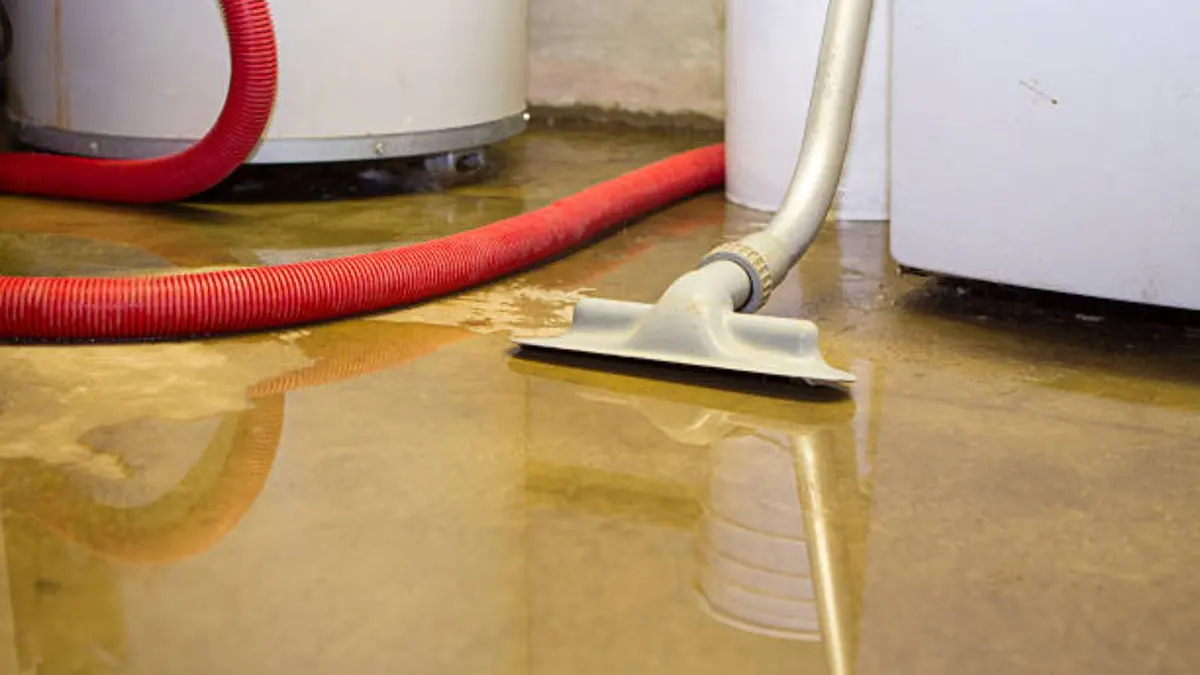
The decision rests on how porous the material is and how dirty the water was. Crews apply the ANSI/IICRC S500 guidance on water categories, and the table below shows the usual outcome.
| Material | Clean water, caught early | Contaminated water |
|---|---|---|
| Carpet | Often dried in place or lifted and re-laid | Removed and discarded |
| Carpet pad | Usually removed because it holds water | Removed and discarded |
| Drywall | Dried in place if firm and intact | Cut out above the wet line |
| Insulation | Removed when saturated | Removed and discarded |
| Hardwood and laminate | Dried with specialty equipment where possible | Often removed |
| Tile and sealed concrete | Cleaned and dried | Cleaned and sanitized |
Not sure what can stay? Describe the room on the phone and we will walk through it with you.
☎ Call (760) 769-1159Cleaning, sanitizing and deodorizing
After debris is out, hard surfaces and exposed framing are cleaned with detergents and then treated with an antimicrobial where the water category calls for it. HEPA vacuums pick up fine dust created by demolition.
Odor is treated at the source. Perfumes and sprays only hide a smell, so crews remove the odor-holding material, clean the surface and use an air scrubber or thermal fog where the situation needs it. If a smell comes back after drying, something wet is still inside the structure.
Contents: what to move, what to leave
Photograph furniture, electronics and boxes before you move them. Wet cardboard fails fast, so pull books, photos and papers out and lay them flat on a dry surface. Solid wood furniture can usually be saved, while particleboard swells and rarely recovers.
Leave anything electrical alone if it sat in water. Have it checked before you plug it in, and do not run a television or appliance that was wet.
Cleanup in Poway homes
Many Poway houses sit on slabs with carpet or wood laminate over them, so a small leak under a dishwasher or refrigerator line spreads under the flooring before anyone sees it. A damp corner of flooring near the kitchen wall is a typical first sign, and by then the subfloor is usually wet too.
Laundry rooms and garages with a floor drain add another path. When that drain backs up, the water is gray or black, so the cleanup scope jumps and the room needs sanitizing before it is rebuilt. Garages near Old Poway Park and across town are no different from any other in that respect.
What changes the cost of cleanup
| Factor | Effect on scope |
|---|---|
| Water category | Contaminated water means more removal and sanitizing steps. |
| Affected square footage | Larger areas take more labor, disposal and equipment. |
| Materials involved | Carpet pad and insulation come out easily. Hardwood and plaster need more care. |
| Drying days | Cleanup that overlaps with structural drying adds equipment days. |
| Rebuild scope | Cleanup stops at a clean, dry structure. Replacing finishes is a separate scope. |
Scope and price are explained before work starts. For your real number, call (760) 769-1159.
Insurance and documentation
A sudden and accidental event such as a pipe failure is often covered, while slow leaks and maintenance issues often are not. If flood water entered from outside, your standard policy usually excludes it. Ask your insurer which applies before you assume.
Keep photos, a list of discarded items and the cleanup scope. If mold is already visible, the next step is mold remediation. If the water is still standing, we start with emergency water removal.
Frequently asked questions
Yes. Cleanup calls often follow a night-time overflow, so someone answers at any hour, every day of the year. Same-day response is offered when available and we do not guarantee a specific arrival time. On the call you learn which rooms to keep people out of and what to set aside for photos.
As soon as the source is stopped. Within about 48 hours, wet pad, drywall and insulation begin to hold moisture and odors, and mold becomes more likely in warm, closed rooms.
Sometimes. Carpet soaked by clean water and treated quickly can often be lifted, dried and re-laid, but the pad is usually replaced. Carpet soaked by contaminated water is removed.
No. Clean water from a broken supply line caught early may only need drying. Sanitizing is added when the water came from a drain, appliance discharge, toilet or the ground.
No. Cleanup ends at a clean, dry structure. Replacing drywall, flooring and paint is handled as repair, and the scope is explained before that work starts.
The longer soaked material sits, the more of it has to go. Call and tell us what got wet.
☎ Call (760) 769-1159