
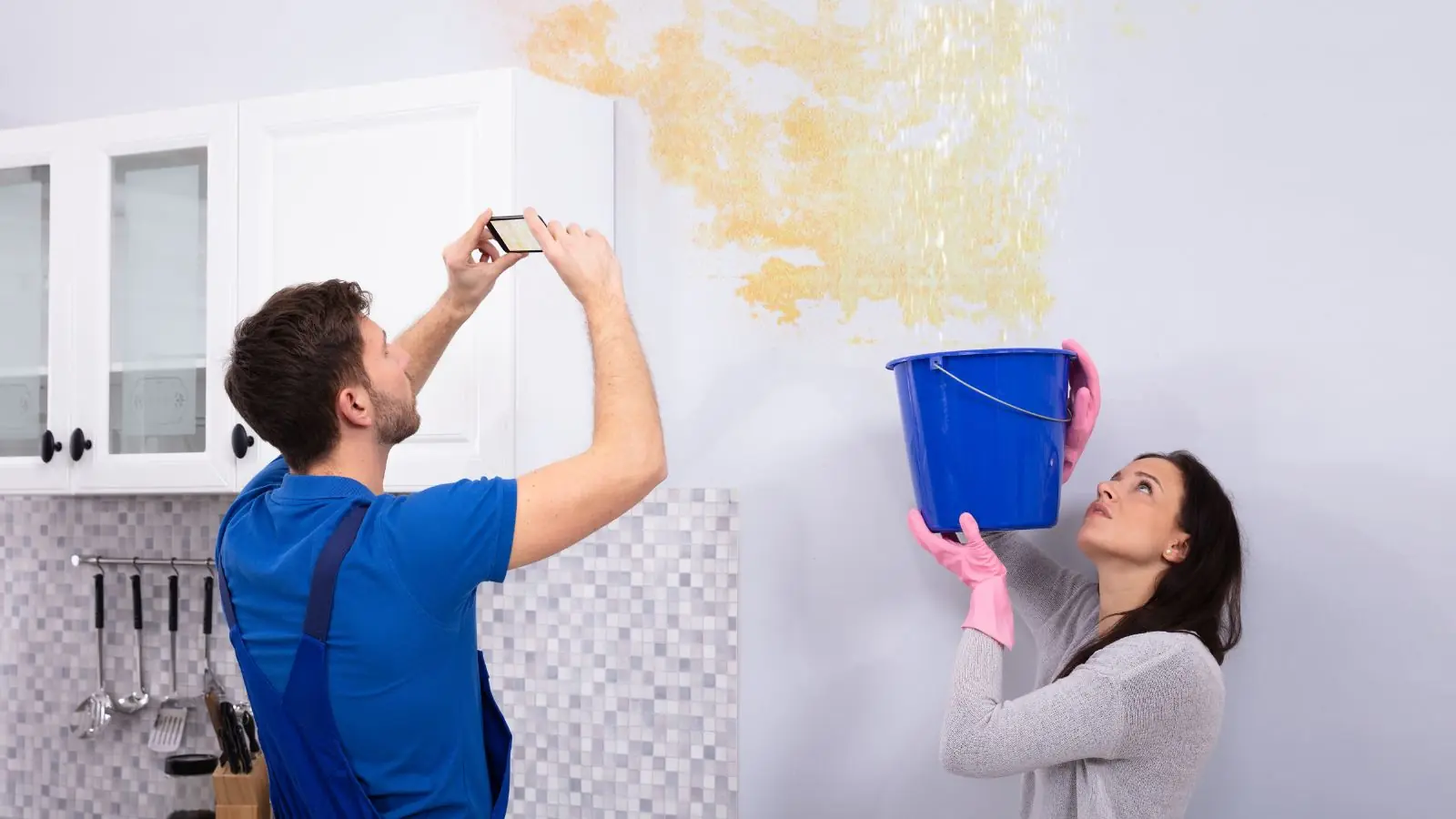
A leak in a rental home raises two questions at once: who fixes the pipe, and who pays for your wet couch. Renters insurance answers the second one in most cases, but only for certain kinds of leaks and only for your belongings.
This guide explains what a renters policy usually covers after a water leak, what normally stays with the landlord, and what to do in the first day. Policies differ, so treat it as a map and read your own policy for the details.
What a renters policy usually covers
A standard renters policy covers your personal property, such as furniture, clothing and electronics, when it is damaged by a covered event. A burst pipe, a failed water heater or an appliance that overflows are typical covered events when they are sudden and accidental.
Many policies also include loss of use, which can help with hotel costs if the unit cannot be lived in while it is dried and repaired. They also include personal liability, which can matter if water from your unit damages the apartment below. Limits and deductibles vary, so check the numbers on your declarations page.
What it usually does not cover
Renters insurance does not cover the building. The walls, flooring, ceiling and plumbing belong to the landlord, whose own policy handles them. Gradual leaks, such as a slow drip that went unreported for months, are commonly excluded, and flood from outside the home is usually excluded unless you bought separate flood coverage.
Some policies also exclude sewer or drain backup unless an endorsement was added. If your unit took on dirty water, ask your insurer about that wording before assuming it is covered.
| What was damaged | Usually handled by | Notes |
|---|---|---|
| Your furniture, clothing and electronics | Your renters policy | Sudden and accidental events are typically covered, subject to your deductible. |
| Walls, flooring, ceiling and built-in fixtures | Landlord and landlord's insurance | Check your lease for who coordinates drying and repair. |
| Plumbing repair at the source | Landlord or property manager | Report in writing and keep a copy. |
| Hotel or temporary housing | Renters policy, if loss of use is included | Keep receipts and ask your insurer what is allowed. |
| A neighbor's damaged unit below yours | Your liability coverage may respond | Do not admit fault. Notify your insurer. |
The first day: what to do
- Close the fixture shutoff or the unit's main valve if you can do so safely, and tell the landlord or property manager right away, in writing if possible.
- Photograph and video the water, the source and every damaged item before moving anything.
- Keep wet items for the adjuster unless they are unsafe, and make a room-by-room list with approximate values.
- Call your renters insurer to open a claim and ask what they require for documentation.
- Call the 24/7 line at (760) 769-1159 if you need water removal or drying in your unit and the landlord's arrangements have not started.
Water on the floor of your rental? Call and describe it. A dispatcher answers day and night.
☎ Call (760) 769-1159Why speed matters for your claim
Most policies expect you to take reasonable steps to prevent further damage after a loss. Letting carpet soak for days or leaving a wet closet shut can lead to disputes about whether the damage got worse because of delay.
Reporting early also protects your belongings. Cardboard, particleboard furniture and books fail fast when wet. Pull them out, lay papers flat and move furniture to dry ground. If the water is standing, our emergency water removal crew can pump it out and start drying before mold gets a start.
Renting in Poway: local notes
Poway is a city of about 49,000 people, and its housing includes single-family houses, townhomes and apartment communities. That matters for renters because the water that reaches your unit does not always start in it. A leak from the unit above, a shared water line or the roof is the landlord's to fix, while the damage to your belongings is yours to document.
The City of Poway's water and sewer service grew out of two districts, one formed in 1954 and one in 1957, that were folded into the city when it incorporated in 1980. If a main-line problem is involved, ask your property manager which utility to contact, and keep a copy of whatever you send.
If you rent in a nearby town, the process is the same. We take calls in Escondido, and in Ramona the questions often turn to freeze damage on outside faucets and irrigation lines. If you own your home and a covered loss soaked it, water mitigation explains the drying side.
Questions homeowners ask
Close the fixture valve or the unit's shutoff if you can, then call the property's emergency maintenance number so the landlord knows. If the water is standing or spreading, call our 24/7 line at (760) 769-1159 for water removal and drying while the landlord arranges plumbing repair.
Usually not, because carpet is part of the building and belongs to the landlord. Your policy covers your own belongings, such as rugs and furniture.
Typically no. The landlord's policy covers the building. Your belongings are covered by your own renters policy if you have one.
Often not. Policies commonly exclude damage from leaks that continue for a long time. Sudden and accidental events are more likely to be covered.
If your policy includes loss of use, it may help with costs while the unit is unlivable. Ask your insurer what documentation they need.
Renting and not sure what to do next? Call the 24/7 line and describe the unit.
☎ Call (760) 769-1159